Our Approach
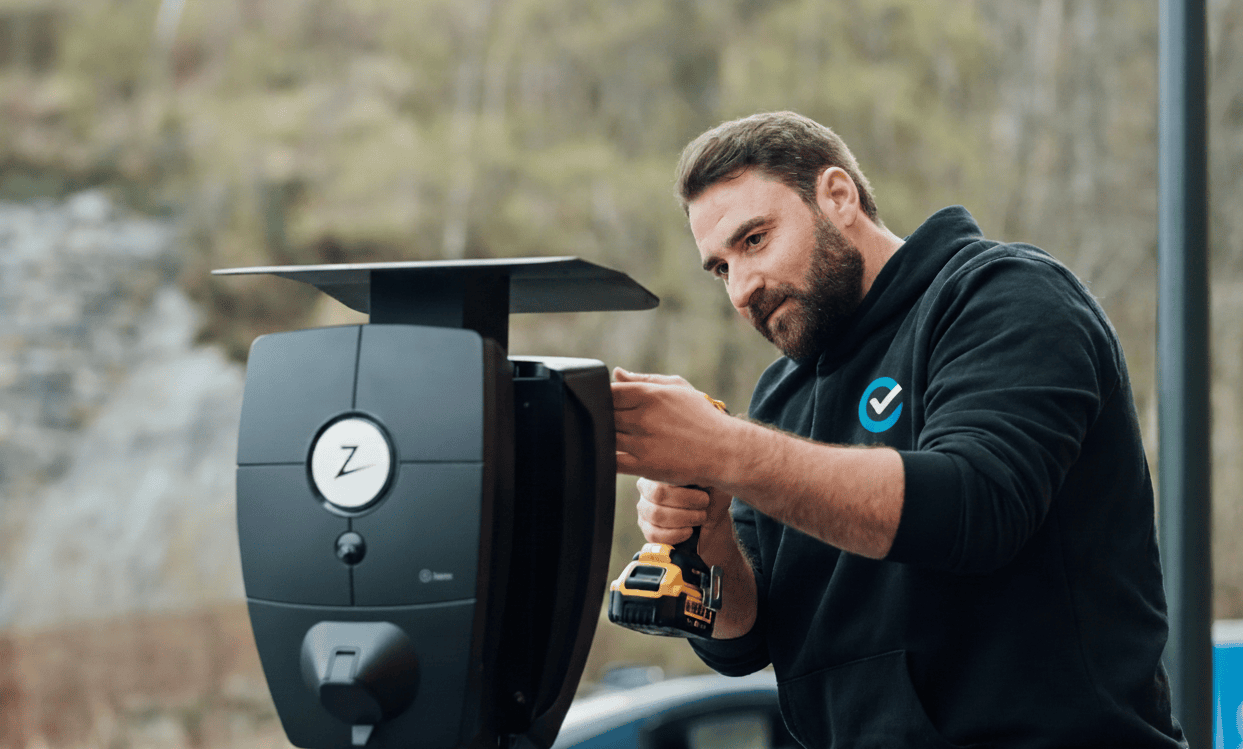
We aim to complete installations efficiently and professionally, while ensuring all work is carried out safely and in accordance with Australian electrical standards.
Standard Residential Installation – What to Expect
Our fixed-price installation is designed to cover the vast majority of residential EV charger installations. This includes standard cable routing, typical wall mounting, and normal access to the electrical switchboard. Most residential installations fall within this typical range. Installations requiring extended cable runs or complex routing may require a customised installation quote, or variation.
Standard cable routing
Cable routing is considered standard where cabling can be run using existing roof spaces, wall cavities or surface-mounted conduit without specialist access equipment or structural modification. Basic installations cover up to 5m of cabling, with standard installations covering runs between 5–30m.
This excludes installations requiring complex concealed pathways, underground trenching, core drilling through structural elements, or extended cable runs beyond typical residential layouts.
Typical wall mounting
Wall mounting is considered standard where the EV charger can be securely installed on a suitable wall surface such as brick, masonry, concrete, or timber framing, without the need for custom brackets, reinforcement, or structural alterations.
This excludes mounting on surfaces that are unsuitable, restricted, require specialist fixings, or involve building modifications.
Normal access to the electrical switchboard
Access to the electrical switchboard is considered normal where the board is readily accessible, safely reachable, and provides sufficient space to install required protective devices without obstruction, safety risk, or compliance issues.
This excludes switchboards that are unsafe to access, located in confined or hazardous areas, or unable to accommodate the required circuit without upgrade or rectification.
Variations
When a variation may be required:
In some cases, installation conditions may fall outside a standard residential scope. Variations are uncommon and are only required where site conditions would significantly increase installation time, cost, or safety risk.
Examples may include (but are not limited to):
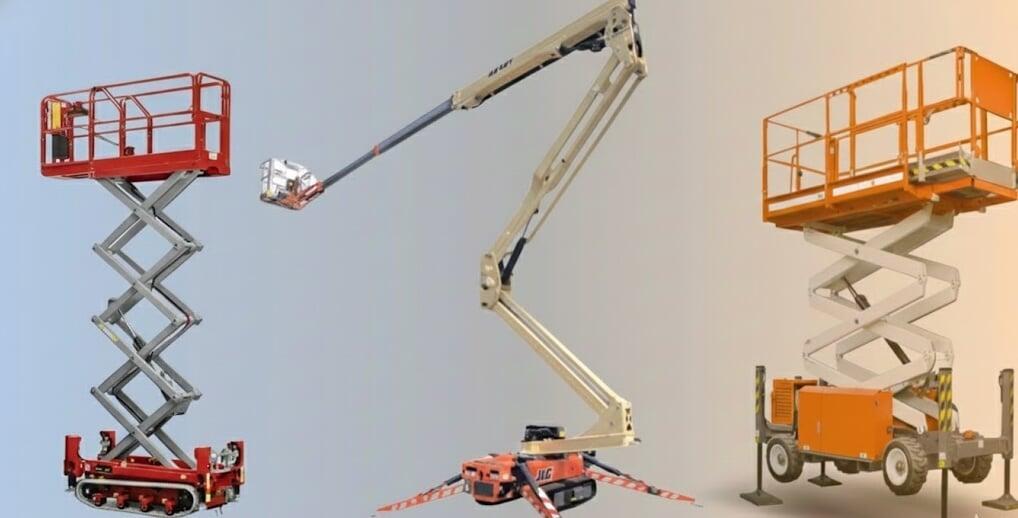
Access limitations
• Roof spaces or subfloors that cannot be safely accessed
• Switchboards located in hazardous or extremely confined areas
• Installation locations requiring specialised access equipment
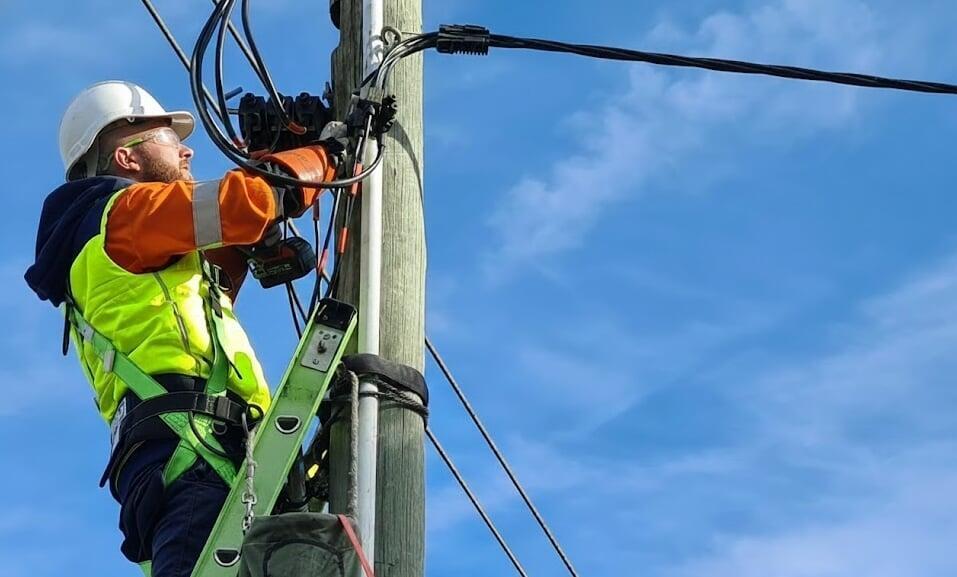
• Working heights up to 3.6 m accessible by ladder
Electrical limitations
• Switchboards that cannot legally accept a new EV charger circuit
• Pre-existing electrical defects requiring rectification
• Properties requiring mains upgrades or conversion to three-phase supply

Structural or building considerations
• Surfaces unsuitable for standard wall mounting
• Presence of asbestos or suspected asbestos
• Installations requiring specialist drilling, non-standard brackets, or building modifications
How variations are handled
If a non-standard condition is identified during installation:
• Our technician will explain the issue clearly onsite
• A variation price will be provided, either at the time (where practical) or in writing shortly after
• You can choose to approve the variation at the time of attendance or review the written quote and decide how you’d like to proceed
• Where a variation is not approved, the installation visit is still considered a completed attendance
• If a follow-up visit is required, this will be arranged once approval is received
. Any approved variation costs are payable directly to EZE EV Chargers & Installation